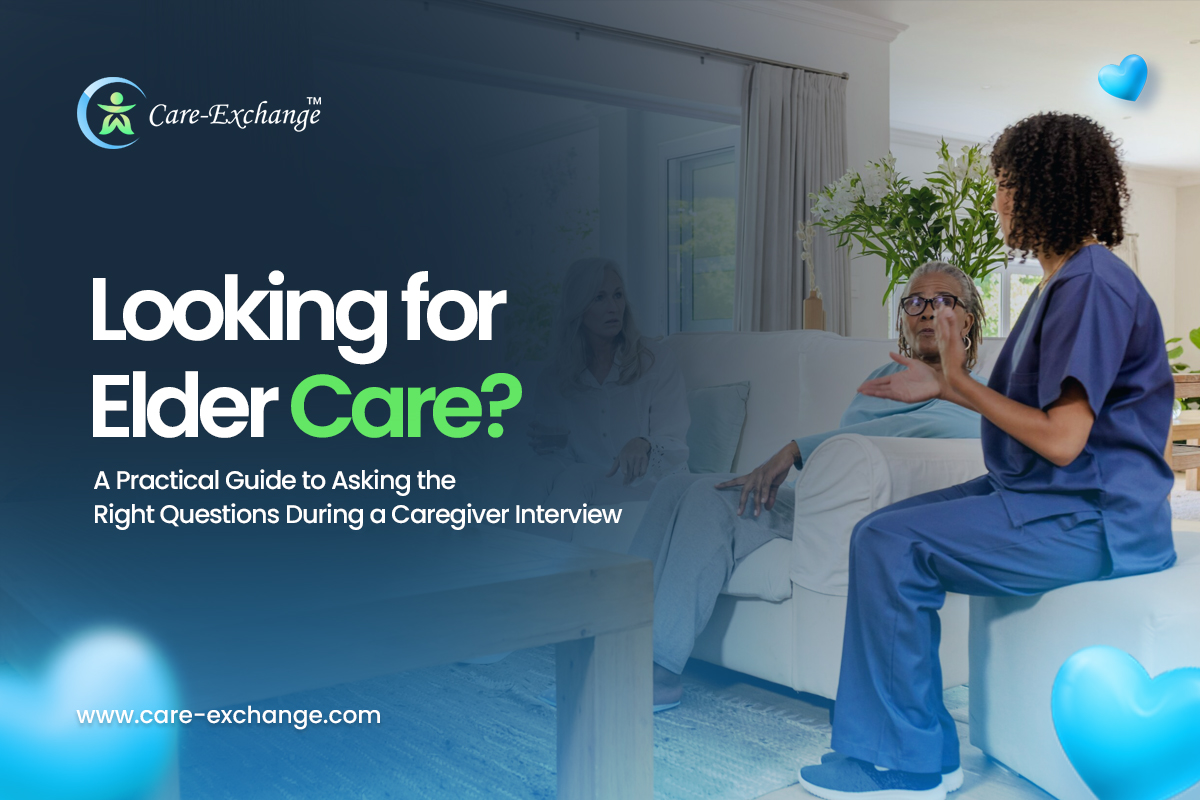
Looking for Elder Care? A Practical Guide to Asking the Right Questions During a Caregiver Interview
Introduction
Choosing someone to provide daily support to an older adult is an important decision. A strong interview can reveal much more than a resume or list of qualifications. It can help families understand a candidate’s experience, communication style, availability, problem-solving ability, and approach to personal care.
For families arranging home care assistance, the interview should focus on the older adult’s actual needs rather than relying on general qualifications alone. The right questions can also clarify expectations around routines, responsibilities, safety, schedules, and communication.
An effective interview is not simply about deciding whether a candidate seems pleasant or experienced. It is an opportunity to establish whether the person can provide dependable support while respecting the older adult’s preferences, privacy, independence, and dignity.
10 Questions Worth Asking During a Caregiver Interview
- What caregiving experience do you have?
Encourage the candidate to describe previous caregiving roles, the types of clients supported, and the responsibilities handled. Specific examples can show whether the experience matches the older adult’s needs.
- What types of care are you comfortable providing?
Care needs can range from companionship and meal preparation to mobility support and assistance with personal routines. Asking this question helps clarify what the caregiver can reasonably handle and whether additional professionals may be required.
- How would you respond to a challenging situation?
Unexpected situations can occur during care at home. Candidates should explain how they would react if an older adult became confused, distressed, unwell, or resistant to assistance. Their response can demonstrate judgment, patience, and awareness of when to seek additional help.
- How do you support an older adult’s independence?
Good caregiving does not necessarily mean doing everything for someone. A suitable candidate should understand how to assist without unnecessarily taking away the older adult’s ability to make choices or complete manageable tasks independently.
- How do you communicate with families?
Clear communication can prevent misunderstandings. Candidates should explain how they would report changes in behavior, health concerns, appointments, daily activities, or other important observations. It is also useful to establish how frequently updates should be provided.
- Are you comfortable following a specific daily routine?
Many older adults feel more comfortable when their days follow familiar patterns. The interview should establish whether the candidate can consistently follow schedules involving meals, medication reminders, appointments, activities, rest periods, and household responsibilities.
- How would you handle disagreements with a client?
Personality differences can arise in any caregiving arrangement. Candidates should demonstrate that they can remain respectful, listen carefully, avoid unnecessary confrontation, and look for practical solutions while maintaining appropriate professional boundaries.
- What is your availability?
Schedule compatibility is essential for dependable care. The interview should cover preferred working hours, weekends, holidays, overnight availability, planned time off, transportation, and the possibility of schedule changes when necessary.
- Can you provide professional references?
References can offer useful insight into reliability, communication, work habits, and previous caregiving responsibilities. Permission should be obtained to contact references, and relevant questions should be prepared before making those calls.
- What questions do you have about the care arrangement?
A candidate’s questions can be equally revealing. Someone who asks about the older adult’s routine, preferences, expectations, safety needs, household environment, and responsibilities may demonstrate genuine interest and preparation.
Wrapping Up
A caregiver interview should create a clear picture of whether a candidate is suitable for the role, not simply confirm information already listed on a resume. Asking consistent questions makes it easier to compare candidates fairly and identify important strengths or concerns.
A thoughtful interview can create a stronger foundation for home care assistance and help establish a respectful working relationship from the beginning. The goal is to select someone who can provide dependable support while helping the older adult maintain comfort, dignity, safety, and as much independence as possible.
FAQs
What should families prepare before interviewing a caregiver?
Families should outline care needs, schedules, responsibilities, preferences, safety concerns, and important questions before beginning caregiver interviews.
Should caregiver references always be checked?
Yes, checking relevant references can provide additional information about a candidate’s reliability, conduct, experience, and previous responsibilities.
What qualifications should families look for?
Qualifications depend on care needs, but relevant training, experience, certifications, communication skills, and reliable references are generally valuable.
What are warning signs during a caregiver interview?
Vague answers, unwillingness to provide references, poor communication, inconsistent employment details, or discomfort discussing responsibilities may require further consideration.
Can interviews help families choose better care?
Yes, structured interviews help families compare candidates while evaluating experience, availability, communication, judgment, and suitability for individual care needs.