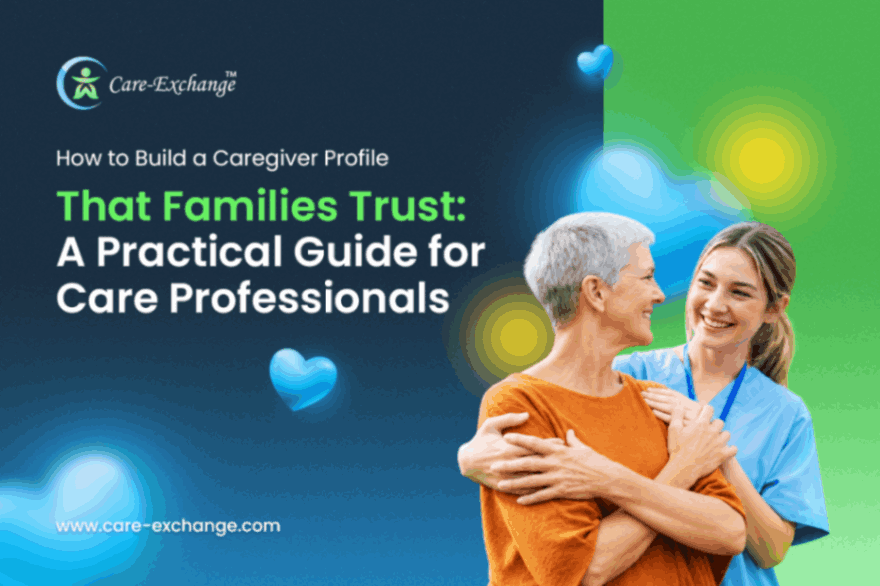
How o Build a Caregiver Profile That Families Trust: A Practical Guide for Care Professionalts
A Strong Profile Is a Caregiver's First Handshake!
Before a family ever hears a caregiver's voice, they meet a profile. In a matter of seconds, they scan a photo, a short bio, a list of skills, and a few reviews, then decide whether to keep reading or move on. For families entrusting a parent, spouse, or grandparent to a stranger, those seconds are very important!
The same is true in every market. A caregiver chasing an LA care job competes with plenty of applicants in a busy metro area, and a polished, honest profile separates memorable candidates from forgotten ones. The steps below show how to build one that earns trust quickly.
Important Aspects of a Profile Families Trust
Lead With a Clear, Friendly Photo
A photo sets the emotional tone. Families respond to a warm, well-lit photo with a natural smile, a neat appearance, and a plain background. Selfies, sunglasses, group shots, and heavy filters tend to raise doubts. Think of the image as a quiet promise: this person is approachable, professional, and present.
Write a Bio That Sounds Human
The best bios read like a short conversation, not a resume pasted into a box. Two or three sentences can cover years of experience, the kinds of clients supported, and what drives the work. This approach says more than a list of buzzwords. Honest warmth beats exaggerated claims every time.
Showcase Verified Credentials
Certifications are trust shortcuts. CNA, HHA, CPR, and First Aid credentials tell families that formal training stands behind the kindness. Showing current documents, along with proof of a completed background check where available, removes a major hurdle before the first conversation. Expired or missing paperwork, on the other hand, can quietly move a profile to the bottom of the list.
Be Specific About Skills and Specialties
Generic claims like "good with seniors" blend into the crowd. Specifics stand out: dementia and memory care, mobility and transfer assistance, post-hospital recovery, meal planning for special diets, or overnight support. Candidates exploring a care job in Nevada, where many households seek help for older relatives, can attract better matches by naming the exact situations they handle best. Adding languages spoken, comfort with pets, and willingness to drive helps families picture daily life with the caregiver.
Spell Out Availability and Boundaries
Reliability is the currency of caregiving. A profile that lists preferred days, shift lengths, travel radius, and openness to live-in or overnight work saves time for everyone. Clear boundaries, such as tasks outside a caregiver's scope, signal professionalism rather than inflexibility. Families appreciate knowing what to expect long before the first shift begins.
Collect Reviews and References
Social proof speaks louder than self-praise. After each placement, polite requests for feedback build a bank of reviews that future families can read. Gentle reminders help when families forget. Short, specific comments about punctuality, kindness, and problem-solving carry the most weight. Reference contacts from former clients or employers, shared with permission, add another layer of credibility. Even one or two strong testimonials can lift a brand-new profile.
Proofread, Update, and Stay Responsive
Typos and outdated details quietly erode confidence. A final read-aloud catches awkward phrasing, and a quarterly refresh keeps certifications, rates, and availability accurate. Speed matters too: caregivers who answer messages within a few hours often win the interview over equally qualified candidates. Anyone targeting an LA care job during a busy hiring season should check messages daily, since families in large cities frequently contact several candidates at once.
Common Profile Mistakes to Avoid
A few missteps repeatedly cost caregivers opportunities:
- Blurry or unprofessional photos
- Vague bios with no real details
- Overpromising skills that cannot be proven
- Outdated certifications or availability
- Slow or missing replies to families
How Trust Turns Into Better Opportunities
A trusted profile does more than win interviews. It tends to attract families offering steadier schedules, fairer pay, and longer placements. Caregivers who build a reputation for honesty and reliability often receive repeat requests and referrals, reducing the stress of constant job hunting. Over time, that credibility opens doors to specialized roles, supervisory positions, and higher rates.
Wrapping Up
A trustworthy profile is not about perfection; it is about clarity, honesty, and care shown through small details. For caregivers ready to put these ideas into action, Care-Exchange provides a practical place to start. The platform allows caregivers to create a profile, upload credentials, and access job openings across different locations, helping them connect with families and employers seeking trusted support. A complete, well-presented profile there can help qualified caregivers get noticed faster and move toward roles that match their experience, schedule, and passion.
Every polished detail adds up. Caregivers who invest time in their profiles today are building the reputation that will carry them through every future interview, referral, and long-term placement. Small improvements made this week, such as a sharper photo or a more specific bio, can change the response received next week. Families searching for the right caregiver look closely, so a profile should give them every reason to say yes.
Frequently Asked Questions
What should a caregiver include in a profile bio?
Include years of experience, specialties, certifications, personality strengths, and what motivates the work, written in two or three genuine sentences.
Does a profile photo really matter?
Yes. A clear, friendly, professional photo builds instant familiarity and helps families feel comfortable reaching out.
How often should a caregiver update a profile?
Review it every few months, and update immediately after earning new certifications or when availability, rates, or preferences change.
Should caregivers list their rate on a profile?
Yes, listing a fair, clear rate saves time and attracts serious inquiries.
How quickly should caregivers respond to family messages?
Ideally within a few hours. Prompt, courteous replies signal reliability and often decide who gets the first interview.