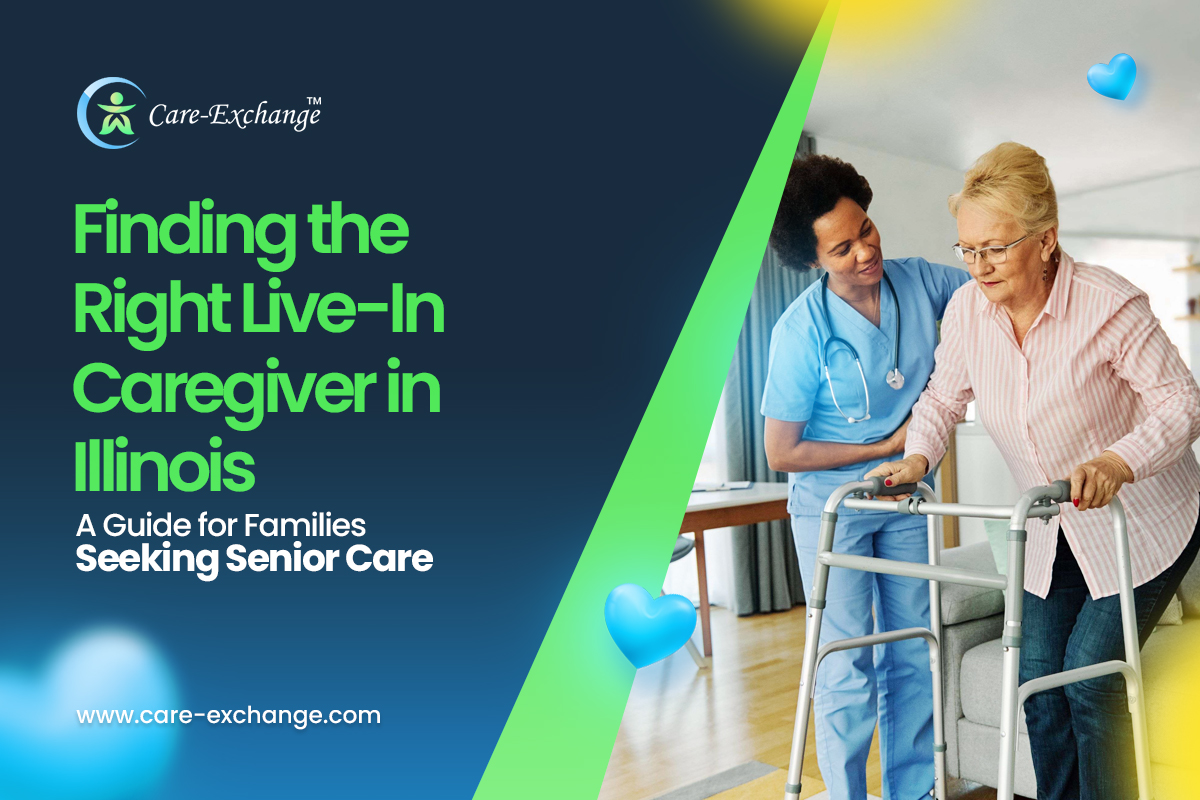
Finding the Right Live-In Caregiver in Illinois: A Guide for Families Seeking Senior Care
Introduction
Choosing the right home care provider for a senior loved one is a decision that carries significant responsibility. The goal is not simply to arrange assistance but to ensure comfort, safety, companionship, and a higher quality of life. As more Illinois families explore home-based care options, selecting the right provider has become increasingly important.
The growing demand for in-home senior care means families now have more choices than ever before. While having options is beneficial, it can also make the decision-making process more challenging. Understanding what to look for and which factors deserve the most attention can help families make confident and informed choices.
Understanding Care Needs and Provider Capabilities
Before beginning the search, it is important to have a clear understanding of the type of support required. Every senior has unique needs, and those needs often influence the type of caregiver or service provider that will be the best fit.
Some seniors require occasional companionship and assistance with household routines, while others need more involved support related to mobility, personal care, medication reminders, or daily living activities. Defining these requirements early helps narrow the search and ensures expectations are aligned from the start.
For some families, hiring a live-in caregiver in Illinois may be the most practical option. Live-in care can provide continuous support while allowing seniors to remain in familiar surroundings. This arrangement often works well when a senior requires regular supervision or assistance throughout the day and night. However, it is important to evaluate whether this level of care is necessary before making a decision.
Beyond care requirements, families should also assess a provider’s ability to adapt as needs change. Senior care is rarely static. Health conditions, mobility levels, and daily routines can evolve over time. Providers who offer flexibility and can adjust care plans when necessary often provide greater long-term value.
Communication is another critical factor. A strong caregiver-family relationship depends on clear expectations and ongoing dialogue. Providers who communicate openly about schedules, responsibilities, and care updates help create a smoother and more positive experience for everyone involved.
Experience and professionalism should also be carefully considered. While certifications and qualifications may vary depending on the role, families generally benefit from selecting providers who demonstrate reliability, attentiveness, and a genuine commitment to senior well-being.
Evaluating Trust, Compatibility, and Long-Term Fit
One of the most overlooked aspects of hiring a caregiver is compatibility. Technical skills and experience are important, but personal connection matters as well. Seniors often spend significant time with their caregivers, making comfort and trust essential components of a successful caregiving relationship.
Families should look for caregivers who not only meet practical requirements but also communicate respectfully and demonstrate patience and empathy. A caregiver who understands a senior’s personality, preferences, and routines can create a much more positive home environment.
Trust is another major consideration. Inviting someone into a private home requires confidence in their professionalism and character. This is why many families prefer structured platforms that help verify information and provide a clearer understanding of caregiver backgrounds and services.
The search process itself also deserves attention. Traditional methods can involve browsing multiple websites, comparing incomplete information, and contacting numerous providers individually. This fragmented approach often leads to confusion and unnecessary delays.
Today, many families prefer platforms that simplify how they find home care providers for seniors. Centralized resources make it easier to compare options, review services, and connect with providers more efficiently. Rather than spending valuable time sorting through scattered listings, families can focus on evaluating quality and compatibility.
Cost transparency is equally important. Families should have a clear understanding of pricing structures, service availability, and scheduling expectations before moving forward. Transparency helps prevent misunderstandings and supports stronger long-term relationships.
Another factor to consider is consistency. Frequent caregiver turnover can be disruptive for seniors, especially those who depend on routines and familiar faces. Providers who emphasize continuity of care often contribute to better overall experiences and stronger relationships.
As the demand for senior care continues to grow throughout Illinois, families are increasingly prioritizing convenience, trust, and quality when searching for support. The ability to find home care providers for seniors through organized and reliable channels has become an important part of the decision-making process.
Ultimately, hiring a caregiver is about more than meeting immediate needs. It is about building a dependable support system that helps seniors maintain dignity, independence, and comfort within their own homes.
Conclusion
Finding the right home care provider requires thoughtful planning and careful evaluation. From understanding care requirements to assessing compatibility, communication, and long-term reliability, every factor plays a role in creating a successful caregiving experience.
At Care-Exchange, we are committed to simplifying the process for families across Illinois. Our platform helps connect families with trusted care solutions more transparently and efficiently.
We believe finding quality senior care should be straightforward, informed, and accessible. By bringing families and care providers together in one place, Care-Exchange helps make that goal a reality.
FAQs
What should families evaluate before hiring a home care provider?
Families should review experience, communication skills, care services offered, reliability, compatibility, and scheduling flexibility.
When is a live-in caregiver a good option?
Live-in care is often beneficial when seniors require ongoing support, supervision, and assistance throughout the day.
Why is compatibility important in senior care?
Strong compatibility helps build trust, improve communication, and create a more comfortable caregiving environment.
How can families compare different care providers effectively?
Using organized platforms helps families review services, compare options, and make informed decisions more efficiently.
Why is continuity of care important for seniors?
Consistent caregivers help seniors maintain routines, build trust, and experience greater emotional comfort and stability.